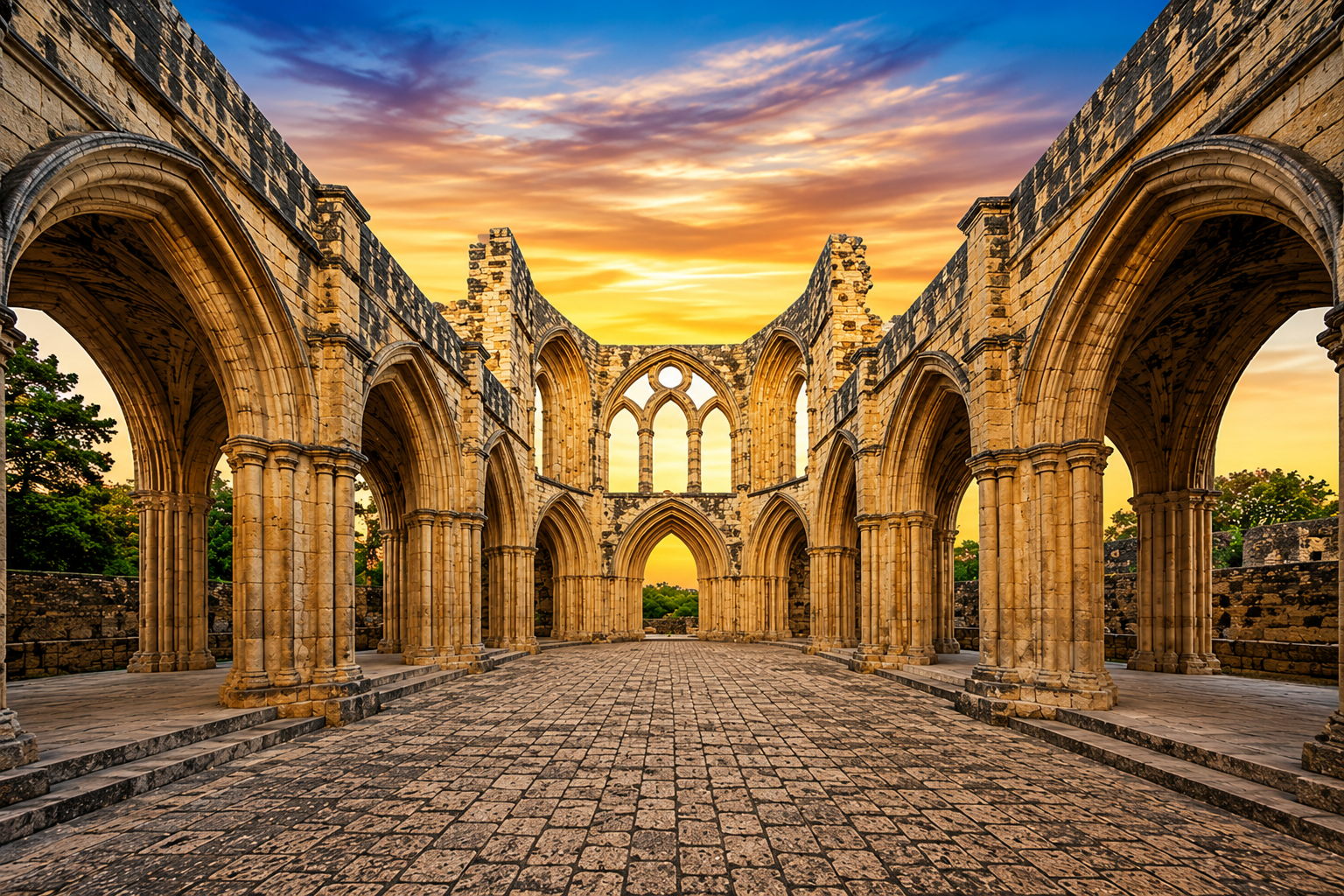
Bellapais Monastery is not only one of the most impressive historical structures in Northern Cyprus, but also an important cultural heritage site that reflects the multi-layered past of the Mediterranean. The history of the monastery covers a wide period from the Middle Ages to the Ottoman era, and each period gave the building a different identity.
Foundation Period: Traces of the Augustinian Monks
The first foundations of Bellapais Monastery were laid by Augustinian monks who migrated from Jerusalem to Cyprus between 1198 and 1205. During the Crusades, as Jerusalem changed hands, many religious communities withdrew to safer regions, and Cyprus became an important refuge during this period.
This first construction phase was the starting point for the major architectural transformations the monastery would later undergo. The Augustinian monks used the monastery both as a place of worship and retreat, and the area gradually became a religious center.
The Lusignan Period: The Golden Age of Bellapais
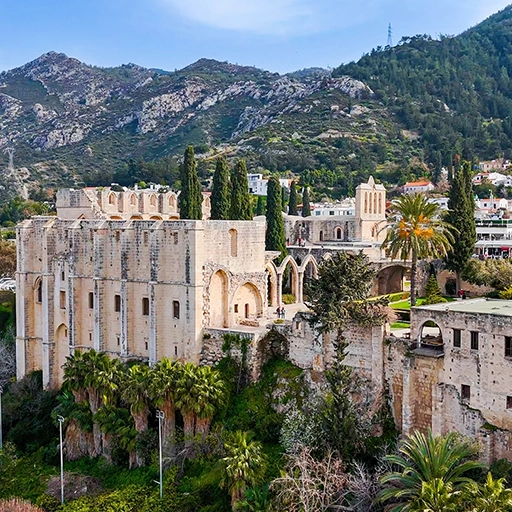
Most of the large and impressive sections of Bellapais Monastery visible today were built during the Lusignan Kingdom period. This era represents the monastery's most brilliant years in architectural terms.
The Reign of Hugh III (1267–1284)
- The main structures of the monastery were built during this period.
- It was one of the most important periods in which Gothic architecture was introduced to Cyprus.
- The church, main halls and the basic monastic layout took shape in these years.
The Reign of Hugh IV (1324–1359)
- The courtyard, refectory and additional monastic buildings were completed during this period.
- The refectory in particular is regarded as one of the most elegant examples of Gothic architecture in Cyprus.
- During this period, the monastery became both a religious and cultural center.
During the Lusignan period, Bellapais was not only a place of worship, but also an important intellectual center where education, literature and artistic activities were carried out.
The Ottoman Period: A New Administration, A New Identity
With the Ottoman Empire's conquest of Cyprus in 1571, the administrative structure of the island changed completely. This transformation also directly affected Bellapais Monastery.
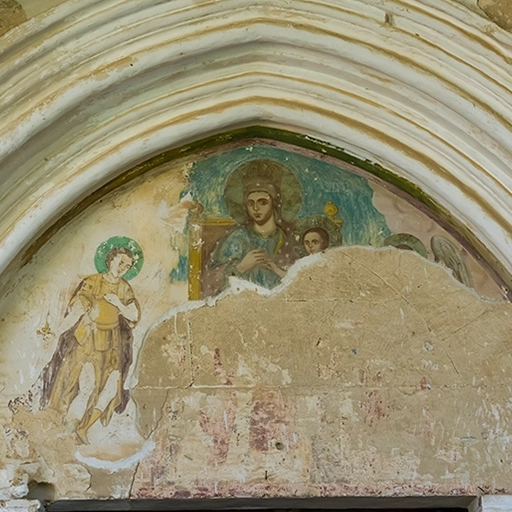
- The monastery was transferred to the Orthodox Church of Cyprus.
- As the influence of Latin religious orders on the island declined, the monastery's religious role gradually weakened.
- Nevertheless, the building was not completely abandoned and continued to be used by the local community for various purposes.
During the Ottoman period, the architectural integrity of the monastery was largely preserved, allowing it to survive to the present day.
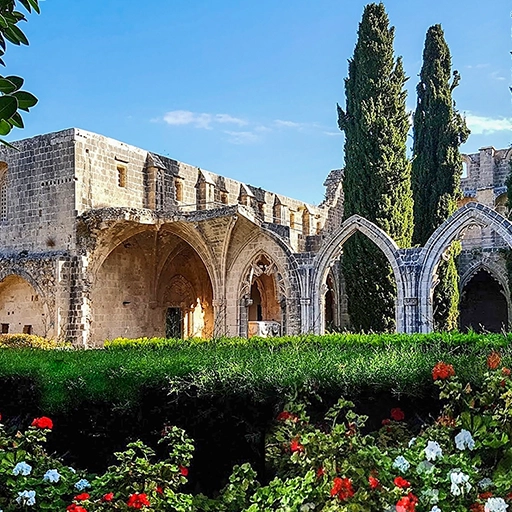
Bellapais Monastery Is a Mirror of Cyprus's Multi-Layered History
In the period from 1198 to 1571, Bellapais Monastery brought together:
- the religious mobility of the Crusader period,
- the architectural splendor of the Lusignans,
- and the administrative transformation of the Ottoman period.
It is a unique historical structure that holds all these layers together. Today, with both its architectural beauty and cultural value, it continues to be one of the most important places to visit in Northern Cyprus.