The Most Elegant Example of Gothic Architecture
The 13th-century Gothic church is one of the most remarkable sections of Bellapais Monastery.
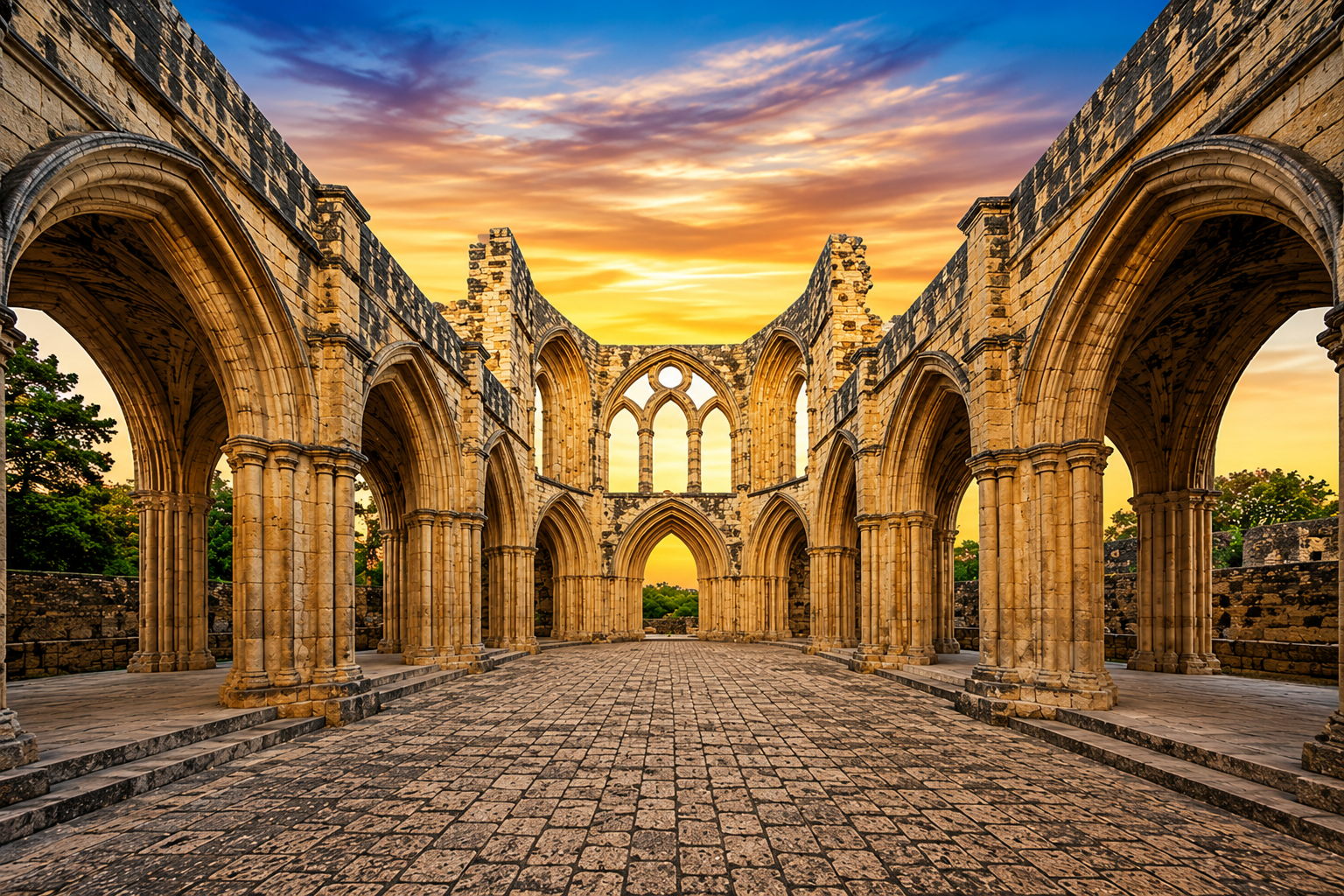
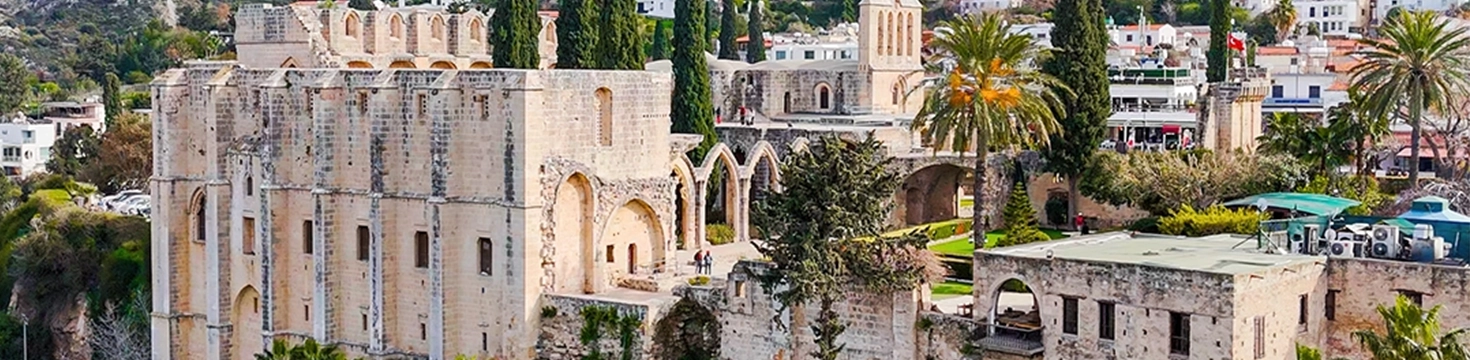
Bellapais Monastery is not only one of the most impressive historical structures in Northern Cyprus, but is also regarded as one of the best-preserved examples of Gothic architecture in the Eastern Mediterranean. The monastery complex is a broad architectural ensemble consisting of the church, courtyard (cloister), refectory, monks’ rooms, meeting halls and defensive elements. Each section tells a different story, both architecturally and historically.
The church, courtyard, refectory, defensive elements and Gothic details make Bellapais Monastery not merely a historical structure, but one of the most impressive architectural heritages of the Mediterranean. Each section presents a unique story that reflects both medieval monastic life and the multi-layered history of Cyprus.
The 13th-century Gothic church is one of the most remarkable sections of Bellapais Monastery.
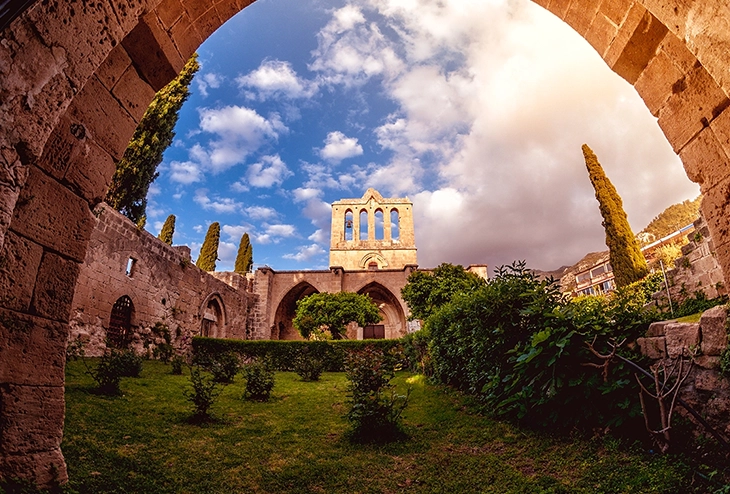
The cloister courtyard from the Lusignan period formed the center of the monks’ daily life.
The Gothic refectory deeply impresses visitors with its spacious structure and high ceiling.
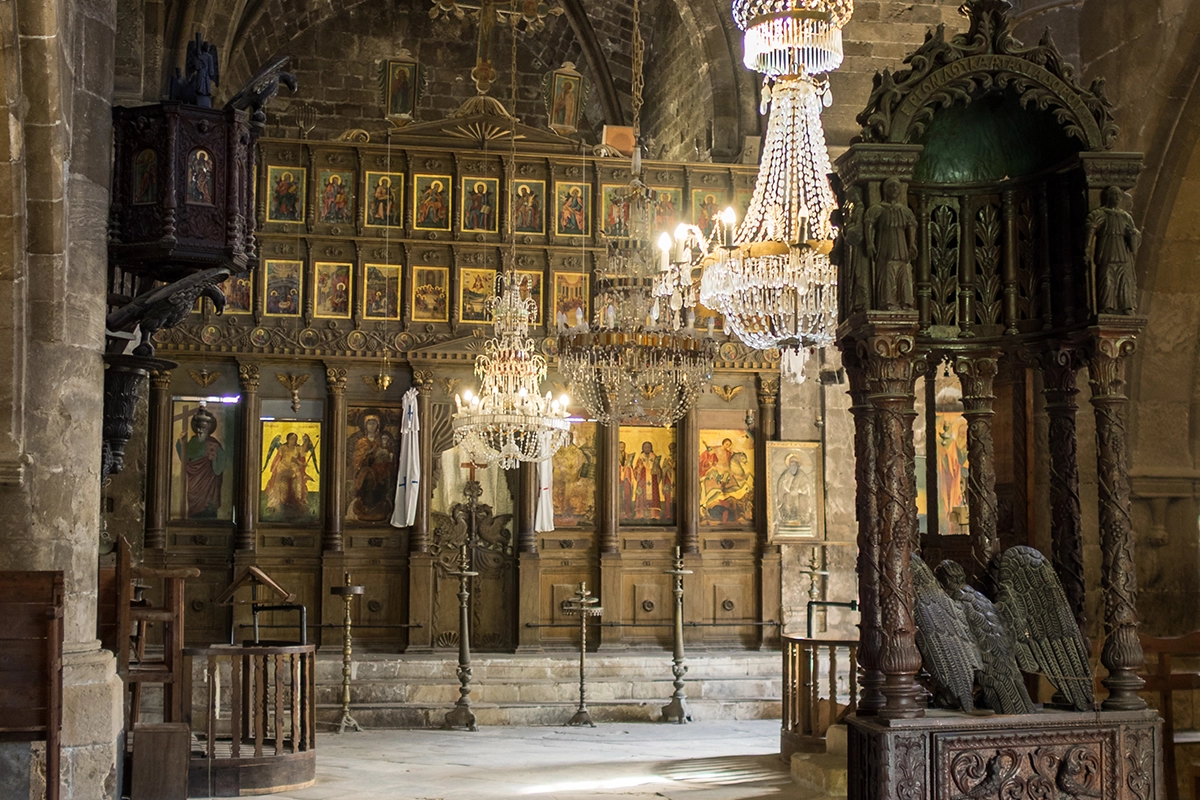
One of the most striking parts of Bellapais Monastery is the Gothic-style church, built in the 13th century. Considered one of the best-preserved examples of Gothic architecture in Cyprus, this structure fascinates visitors with both its exterior and interior details.
Outstanding Features of the Church Architecture
• High pointed arches
• Tall, narrow windows
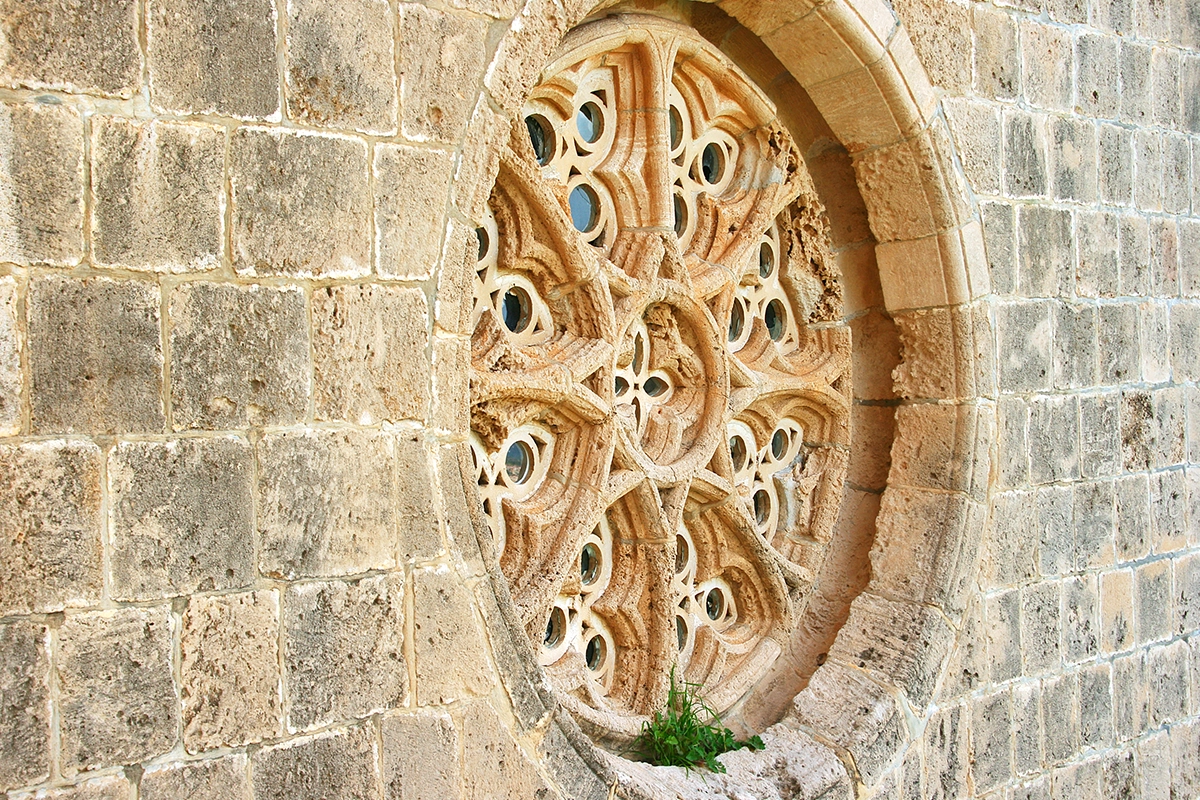
• Fine details in stone carving
• Gothic ribbed vaults
• A simple yet impressive interior layout
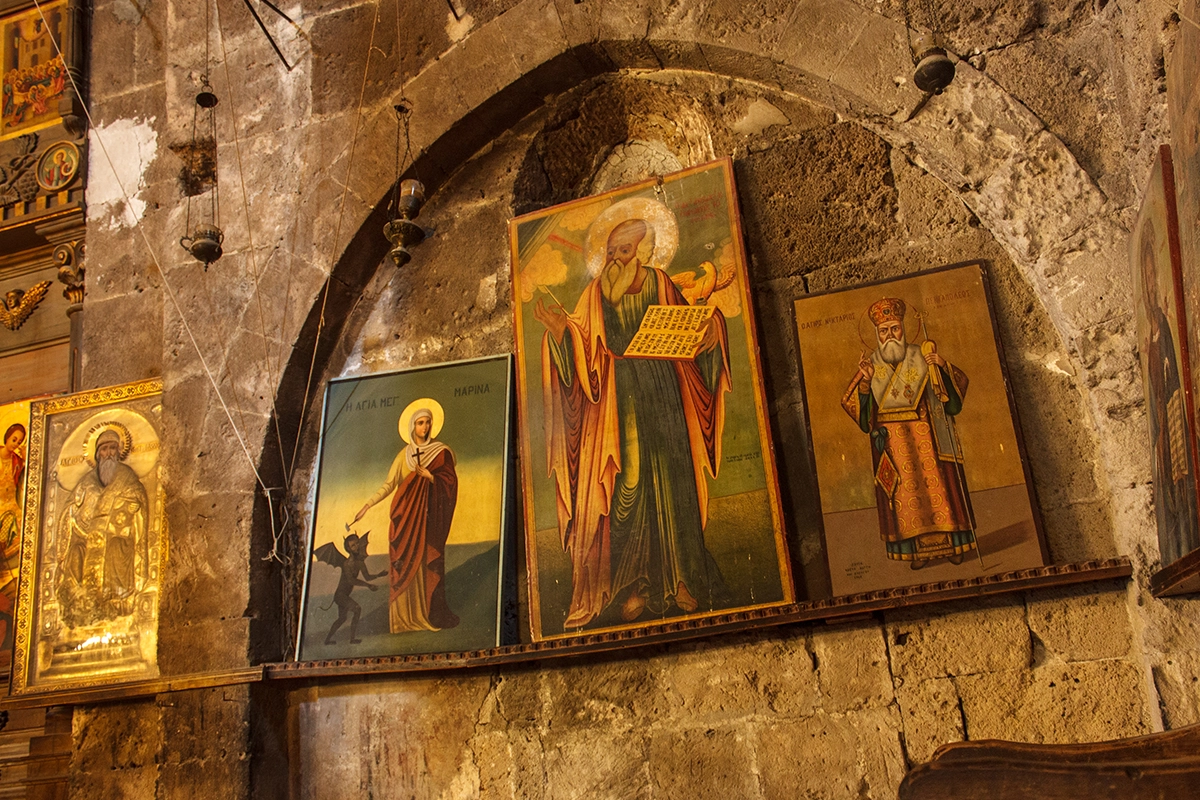
The church was the main place of worship for the monks of the Premonstratensian Order. The silence inside and the acoustics created by the stone walls still offer visitors a mystical atmosphere today.
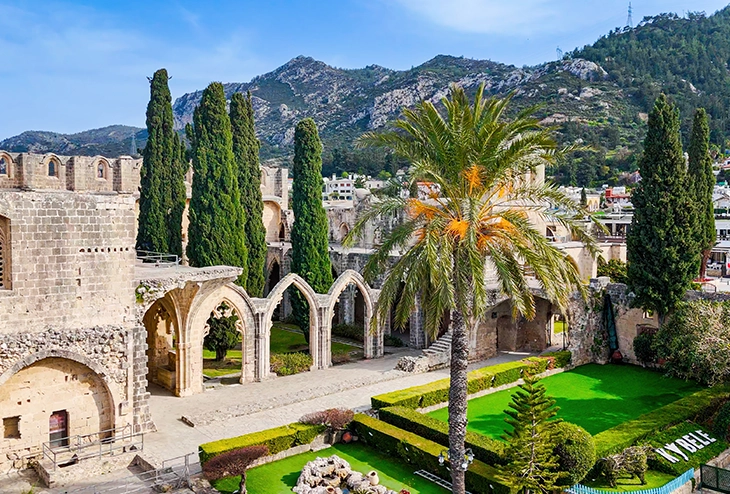
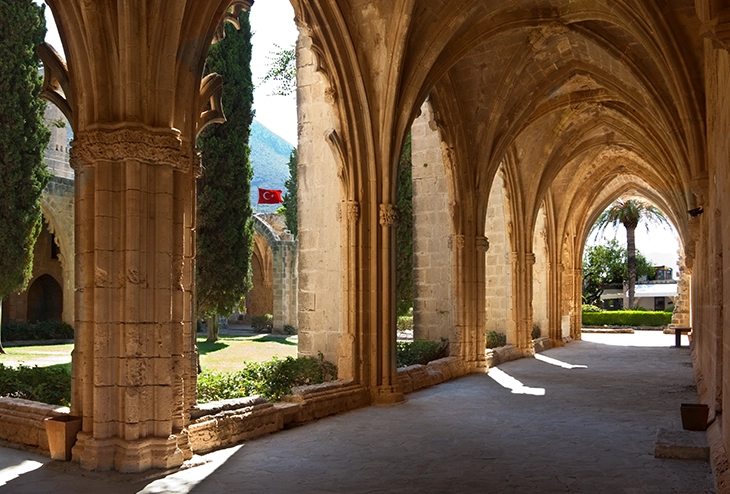
One of the most iconic sections of Bellapais Monastery, the cloister courtyard, was built during the Lusignan period. The courtyard forms the center of monastic life and opens onto the areas where monks carried out their daily activities.
Architectural Features of the Courtyard
• It is surrounded on all four sides by arched galleries
• Gothic columns and pointed arches stand out
• There is a small garden area in the center
• The courtyard connects to the refectory, meeting rooms and church
This section is one of the most impressive points of the monastery for photographers. In particular, the symmetrical view created by the arches forms one of the most shared images of Bellapais.
One of the most impressive interiors of Bellapais Monastery, the refectory, is considered one of the most elegant examples of Gothic architecture in Cyprus. Completed during the reign of Lusignan King Hugh IV, this section stands out with its width and high ceiling.
Outstanding Architectural Details of the Refectory
• A large hall with a long rectangular plan
• Ribbed vaulted ceiling
• Large Gothic windows
• A giant window on the eastern facade overlooking the view
• A pulpit used for the monks’ mealtime prayers
The refectory is one of the best-preserved parts of the monastery and is also used today for concerts and cultural events.
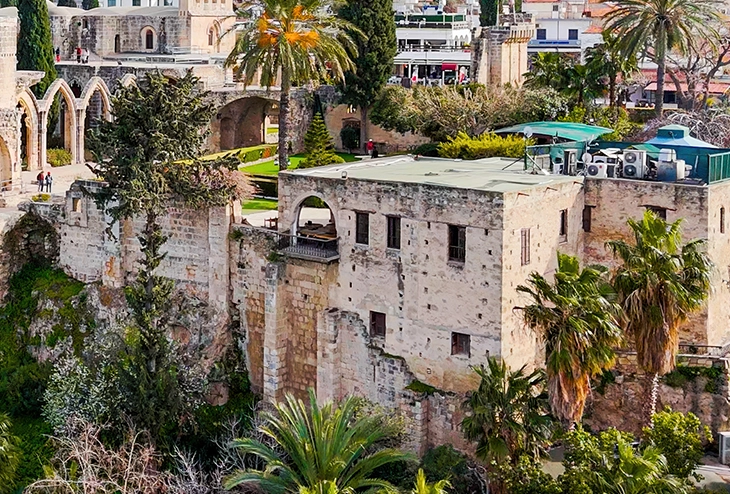
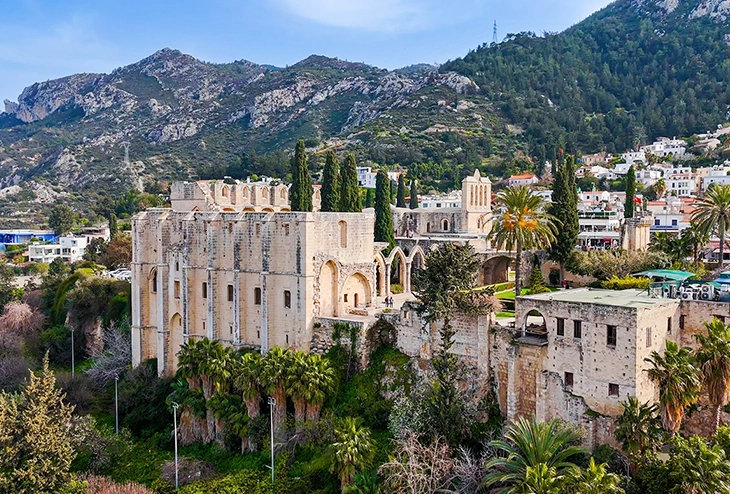
Although Bellapais Monastery was not built as a military structure, its location and certain architectural details show that it also served defensive purposes.
Defensive Features
• It was built on a high slope
• It has a strategic position overlooking the Kyrenia coastline
• There are openings in the walls for observation
• The entrance section of the monastery offers a narrow and controlled passage
These elements show that the monastery was an important center both religiously and in terms of security.
Bellapais Monastery is one of the most successful applications of Gothic architecture in Cyprus. Traces of medieval European monasteries can be seen in many parts of the structure.
Gothic Architectural Elements in Bellapais
• Pointed arches
• Ribbed vaults
• Tall, narrow windows
• Plant motifs in stone carving
• Symmetrical courtyard layout
• High-ceilinged halls
These details show that the monastery was built during the Lusignan period by masters who came from Europe.
| Architectural Style | Lusignan Gothic |
| Main Material | Cut stone / natural limestone |
| Plan Layout | Courtyard-centered circulation line with arcades |
| Acoustic Feature | Long reverberation time in high-vaulted spaces |